Displaying 41 - 45 of 106
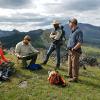
This workshop and field tour brought together managers and scientists to share knowledge about topics important to wilderness fire management. These included future challenges related to changing climate and fire seasons; vegetation, soil, and…
Co-hosted by the Northern Rockies Fire Science Network and the Wildland Fire Cohesive Strategy Western Regional Strategy Committee, this field tour showcased success stories and lessons learned while addressing the National Cohesive Wildland Fire…
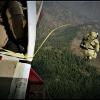
With increases in the severity and duration of fire seasons, wildland firefighters are working longer shifts all across the west and are experiencing increased fatigue. In this webinar, Dr. Randy Brooks presented results from a survey of more than…
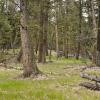
Mixed severity fire regime systems may be the most widely distributed and yet poorly understood fire regime type in western North America. This incongruity results from the diversity of forest types and fire regime attributes that are encompassed by…
In this webinar, Dr. Kimberley Davis examined the effects of climate on post-fire conifer regeneration and subsequent seedling and tree growth. She and her colleagues focused on lower elevation ponderosa pine and Douglas-fir forests to identify the…